Discover how ergonomic tailoring transforms industrial gear for enhanced movement, comfort, and safety. Boost productivity on the job.
Engineered for Movement: How Ergonomic Tailoring is Changing Industrial Gear
For decades, industrial gear prioritized protection above all else. While crucial, this often came at the cost of mobility, comfort, and, ironically, even safety. Workers in demanding environments often contend with bulky, restrictive Personal Protective Equipment (PPE) that hinders natural movement, leading to fatigue, reduced productivity, and a higher risk of musculoskeletal injuries. But a new paradigm is emerging: ergonomic tailoring. This revolutionary approach to industrial gear design is not just about protection; it's about engineering equipment that moves with the body, not against it, fundamentally transforming the industrial landscape and setting new benchmarks for worker well-being and operational efficiency.
The Hidden Costs of Restriction: Why Traditional Gear Falls Short
Traditional industrial gear, from heavy-duty workwear to specialized protective suits, has long been a necessary evil. Designed primarily for impact resistance, chemical protection, or thermal insulation, its effectiveness often came with significant drawbacks for the wearer.
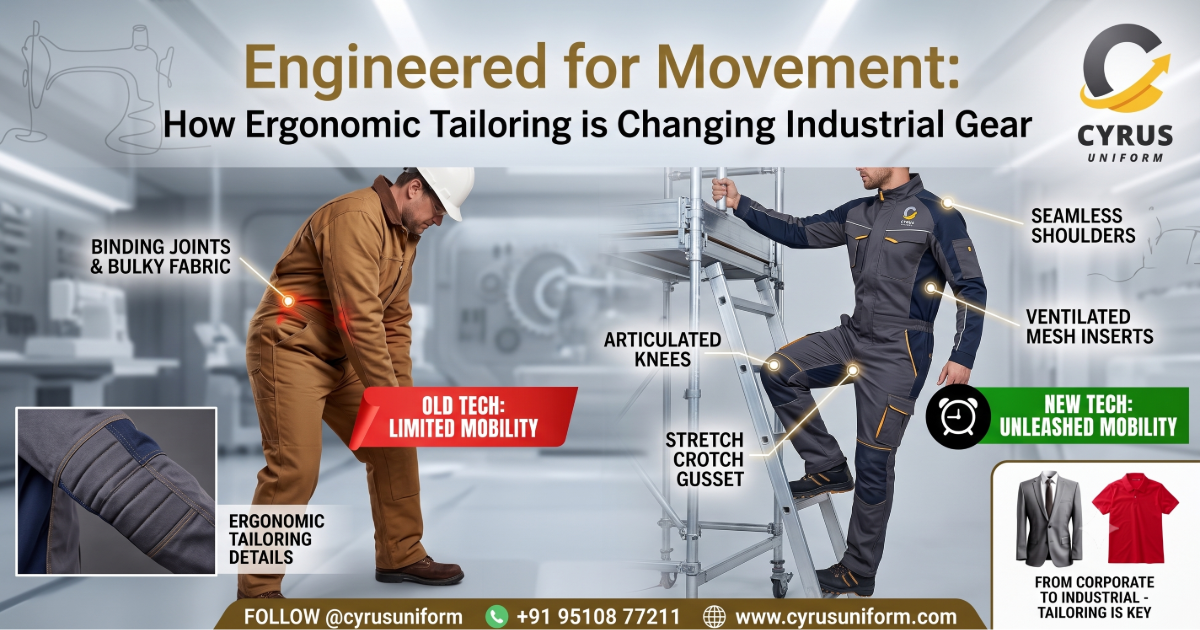
Limiting Mobility and Increasing Strain
Imagine trying to perform intricate tasks or repetitive motions while encased in stiff, ill-fitting fabric. Traditional PPE frequently:
- Restricts Range of Motion: Common gear can impede natural bending, reaching, and twisting, forcing workers into awkward postures.
- Creates Pressure Points: Poorly designed seams, straps, or rigid materials can dig into the skin, causing discomfort and bruising.
- Increases Biomechanical Stress: The sheer weight and inflexibility of outdated gear force the body to exert more energy, placing undue stress on joints, muscles, and the spine. This constant strain is a primary contributor to long-term musculoskeletal disorders (MSDs), a leading cause of lost workdays.
Impact on Productivity and Morale
The consequences of uncomfortable and restrictive gear extend far beyond physical discomfort. They directly impact a company's bottom line and workforce morale:
- Decreased Productivity: Workers who are constantly adjusting their gear, struggling with movement, or experiencing pain naturally work slower and less efficiently.
- Increased Fatigue: The extra effort required to move in cumbersome gear leads to earlier onset of fatigue, impacting focus and increasing the likelihood of errors or accidents.
- Reduced Compliance: Uncomfortable gear is often seen as a burden, leading some workers to improperly wear it or even bypass it when they believe they can get away with it, compromising their safety.
- Lower Job Satisfaction: Persistent discomfort can erode job satisfaction, contributing to higher absenteeism and employee turnover rates.
Beyond Protection: The Core Principles of Ergonomic Design
Ergonomic tailoring redefines what industrial gear can be. It shifts the focus from merely "protecting" to "empowering" the worker, integrating principles from human factors engineering, biomechanics, and material science.
Understanding Biomechanics and Anthropometry
At the heart of ergonomic design is a deep understanding of the human body:
- Biomechanics: Designers meticulously study how the body moves, analyzing muscle activation, joint angles, and natural motion pathways during typical industrial tasks. This data informs placement of seams, articulation points, and stretch zones.
- Anthropometry: This involves collecting and applying precise body measurements across diverse populations. Ergonomically tailored gear accounts for variations in body shapes and sizes, ensuring a true fit that supports, rather than restricts, individual workers. This might involve different cuts for men and women, or adjustable features to accommodate various body types.
Advanced Materials and Smart Design
The revolution in ergonomic industrial gear is also driven by innovations in textiles and design methodologies:
- Flexible, Lightweight Materials: The days of heavy, stiff fabrics are numbered. Modern ergonomic gear utilizes stretch fabrics, lightweight composites, and advanced weaves that offer superior protection without compromising flexibility. Materials like ripstop nylon with elastane, breathable mesh, and high-tech synthetic blends provide durability, breathability, and freedom of movement.
- Articulated Joints and Strategic Paneling: Rather than a monolithic suit, ergonomic gear features pre-shaped elbows, knees, and shoulders, allowing for natural bending and stretching. Strategic paneling, often using different materials, provides targeted flexibility where it's needed most (e.g., gussets in the crotch or underarms).
- Optimized Weight Distribution and Support: Helmets are lighter and better balanced. Backpacks distribute weight evenly across the torso. Safety harnesses are designed to contour to the body, minimizing pressure points and improving comfort during extended wear.
- Integrated Ventilation and Moisture Management: Overheating is a significant cause of fatigue. Ergonomic designs incorporate intelligent ventilation systems and moisture-wicking fabrics to keep workers cool and dry, enhancing comfort and focus.
Transforming the Workspace: Tangible Benefits and Future Innovations
The shift towards ergonomically tailored industrial gear is not merely a trend; it's a strategic investment with measurable returns for both workers and businesses.
Enhanced Worker Safety and Comfort
The most immediate and profound impact of ergonomic tailoring is on the individual worker:
- Reduced Injury Risk: By facilitating natural movement and reducing strain, ergonomic gear significantly lowers the incidence of sprains, strains, and long-term MSDs.
- Increased Compliance: When gear is comfortable and doesn't impede work, workers are far more likely to wear it correctly and consistently, thereby maximizing its protective benefits.
- Greater Comfort and Confidence: Workers feel better physically and psychologically, leading to greater job satisfaction and a sense of being valued by their employer.
Boosting Productivity and Operational Efficiency
For organizations, the benefits translate directly to improved performance:
- Higher Productivity: Workers can perform tasks more quickly, accurately, and for longer durations without experiencing premature fatigue or discomfort.
- Reduced Absenteeism and Turnover: A healthier, happier workforce is less likely to call in sick due to work-related injuries or leave the company for more comfortable working conditions.
- Lower Healthcare and Insurance Costs: Fewer injuries mean fewer workers' compensation claims, lower medical expenses, and potentially reduced insurance premiums.
The Future of Industrial Wear
The evolution of ergonomic gear is ongoing, with exciting innovations on the horizon:
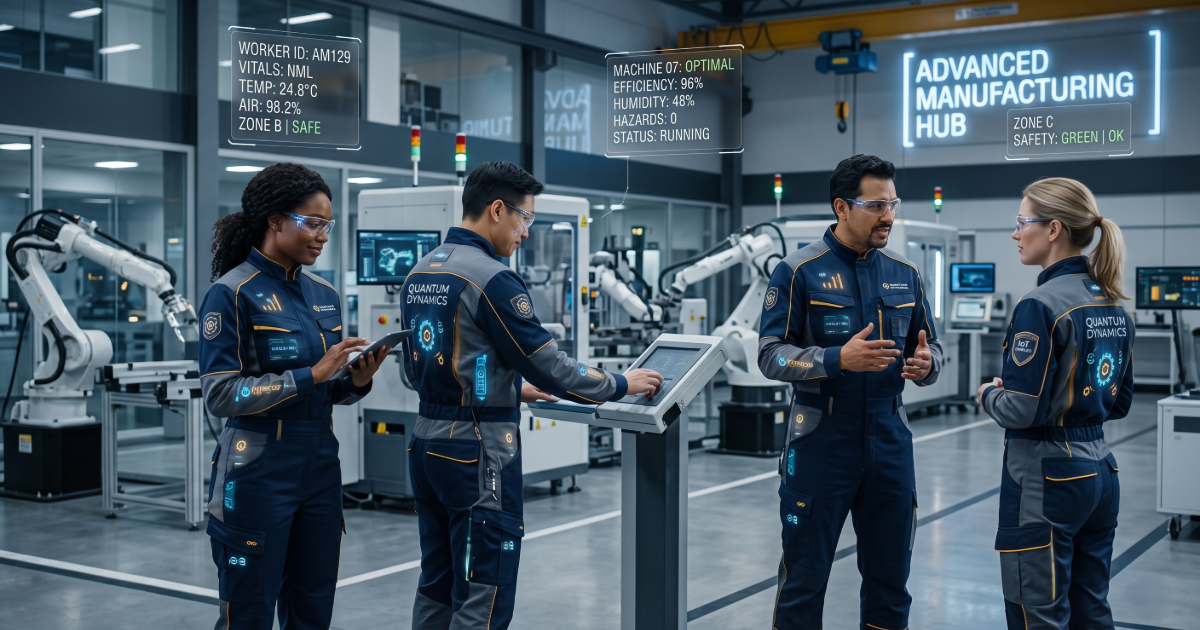
- Smart Textiles: Integration of sensors to monitor vital signs, posture, and even detect hazards.
- Personalized Fit Solutions: 3D body scanning and additive manufacturing (3D printing) could lead to truly custom-fitted gear for every individual worker.
- Exoskeletons and Powered Assist Devices: While not traditional gear, these advancements represent the ultimate in ergonomic assistance, designed to augment human strength and endurance while minimizing physical strain.
The Movement Towards Smarter, Safer Work
The concept of "Engineered for Movement" is more than just a marketing slogan; it represents a fundamental shift in how industries view their most valuable asset: their people. By embracing ergonomic tailoring, companies are not just buying advanced PPE; they are investing in their workforce's health, safety, and long-term productivity. This isn't just about making work easier; it's about making work better, fostering an environment where industrial workers can perform at their best, move freely, and return home safely and comfortably every single day. The future of industrial gear is flexible, intelligent, and designed with the human body at its core, ensuring that protection and performance go hand-in-hand.